Peptide Quality: Importance Of Third-party Recognition
It is one factor correct peptide storage space and reconstitution methods issue. Partial peptide pieces can arise from insufficient synthesis or post-synthesis destruction. These fragments are generally smaller sized than the target peptide and may elute at various retention times.- The chromatogram is the most important aesthetic data aspect on an HPLC peptide test record.Asparagine and glutamine deposits can go through deamidation, transforming the peptide's fee and hydrophobicity.This is the gold standard for peptide identification-- it validates both the structure and the sequence.Subtle differences in resources purity and framework can lead to disparities in the task of the final product.
High-performance Fluid Chromatography (hplc): The Purity Requirement
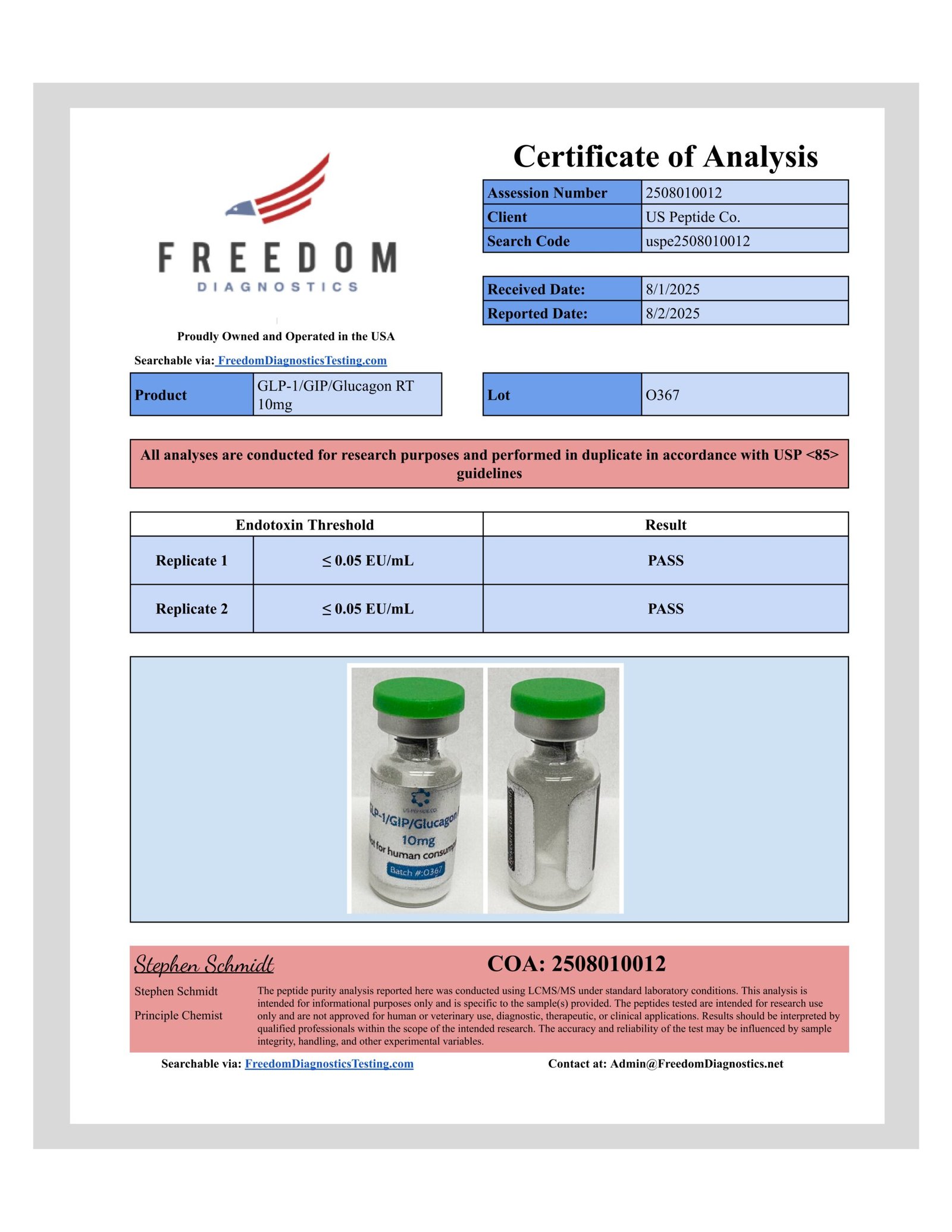
For researchers, obtaining verified peptides isn't just a procedure-- it's the structure of dependable experiments and research study reproducibility. Poor-quality peptides (those with undiscovered impurities, wrong series, or weakened elements) can cause deceptive data and irreproducible results. Actually, healthy proteins and peptides are amongst the most extensively used lab reagents, yet researches have shown that their high quality is frequently poor, leading to poor data reproducibility. Starting with correct research laboratory recognition is for that reason a vital part of a researcher's quality assurance operations.
Crude, Desalted, And High-purity: Recognizing Peptide Grades
Innovative Proteomics is a trusted company of proteomics analysis solutions. Many thanks to our outstanding researchers and powerful mass spectrometry platform, we off supplies global client with extensive and specialist peptide purity evaluation solution by using RP-HPLC. If you have any type of concerns or specific needs, please feel free to contact us.Inadequate In Vivo/in Vitro Security Information
For teams that require deeper architectural evaluation, the work can likewise be aligned with peptide sequence evaluation and more comprehensive characterization assistance. Amino acid analysis or other quantitative strategies can sustain absolute content. Chiral methods can resolve enantiomeric pureness where stereochemistry is an issue. Residual-solvent or water-content examinations can matter in manufacturing or stability contexts.
We employ GC-MS, ICP-MS, and other approaches to find impurities, making sure product safety and regulatory conformity. Peptide sequencing is vital for determining the exact amino acid sequence of peptides, consisting of alterations like phosphorylation or acetylation. Sequencing allows researchers to comprehend the organic function of the peptide and its communication with other molecules, helping in the style of practical peptides for diverse applications. The peptide sample is dissolved in a suitable solvent and loaded into an autosampler.